Air conditioning is essential in Florida homes, especially in Port St Lucie, where high temperatures and humidity are common. While older systems consume more energy and can harm the environment, modern air conditioning units are designed with efficiency and sustainability in mind. Upgrading to a newer system can provide comfort for your family while reducing your environmental impact. Understanding how these systems work and their ecological advantages can help homeowners make informed choices.
Energy Efficiency and Reduced Electricity Use
One of the primary environmental benefits of modern AC systems is energy efficiency. Older units often use outdated technology, requiring more electricity to maintain comfortable temperatures. Modern systems, however, feature high SEER (Seasonal Energy Efficiency Ratio) ratings, which measure how efficiently they cool your home. A higher SEER rating means less energy is needed to achieve the same cooling effect, reducing electricity consumption and lowering greenhouse gas emissions associated with power generation.
Eco-Friendly Refrigerants
Refrigerants are essential for cooling, but older refrigerants like R-22 (commonly known as Freon) contribute to ozone depletion and are being phased out. Modern AC systems use environmentally friendly refrigerants such as R-410A, which do not harm the ozone layer and have lower global warming potential. By upgrading to a system that uses eco-friendly refrigerants, homeowners can help reduce the environmental impact of their cooling systems.
Variable Speed and Smart Technology
Many modern AC units include variable-speed compressors and smart thermostats. Variable-speed compressors adjust the cooling output based on demand, which reduces energy use and prevents the system from running at full capacity unnecessarily. Smart thermostats allow homeowners to program temperature settings, optimize cooling schedules, and even control the system remotely. These features not only save energy but also reduce the carbon footprint associated with home cooling.
Improved Insulation and Airflow
Modern systems are often paired with advanced ductwork and improved insulation, which helps maintain consistent indoor temperatures. Proper airflow and sealed ducts reduce energy loss, ensuring the system operates efficiently. Less energy consumption translates to fewer emissions from power plants, which benefits the environment. In addition, better airflow can reduce wear and tear on the system, extending its lifespan and reducing waste from prematurely discarded units.
Reducing Peak Energy Demand
High energy demand during summer months can strain power grids and lead to increased reliance on fossil fuels. Modern AC systems that operate efficiently help reduce peak energy demand, which lowers the need for additional electricity generation and reduces environmental stress. Homes equipped with energy-efficient units contribute to a more sustainable energy network and can help communities lower overall emissions.
Minimizing Water Usage
Some modern AC systems, especially those with advanced evaporator coils and condensate management, are designed to use water more efficiently. Efficient condensate drainage prevents water waste and can be integrated with greywater systems in some cases. This not only reduces water consumption but also prevents potential mold growth in the HVAC system, contributing to healthier indoor air quality.
Longevity and Reduced Waste
Modern AC systems are built with more durable components than older units, which means they last longer and require fewer replacements. A longer lifespan reduces the environmental impact associated with manufacturing, shipping, and disposing of HVAC systems. Choosing a high-quality, energy-efficient system minimizes waste and supports sustainable consumption practices.
Supporting Renewable Energy Integration
Many modern AC systems are compatible with solar panels and other renewable energy sources. Homeowners who use solar power can operate their air conditioning with clean energy, further reducing the environmental footprint of their cooling needs. Integration with renewable energy technologies is a growing trend that allows homeowners to maintain comfort while lowering their impact on the planet.
Financial and Environmental Benefits Combined
Upgrading to a modern AC system not only benefits the environment but also helps homeowners save money. Energy-efficient systems reduce monthly utility bills, and the use of eco-friendly refrigerants avoids future regulatory costs or replacement expenses. By making a responsible choice, homeowners can protect the environment while enjoying long-term financial advantages.
Conclusion
Modern air conditioning systems offer significant environmental benefits. Energy efficiency, eco-friendly refrigerants, variable-speed technology, improved airflow, and compatibility with renewable energy all contribute to a smaller carbon footprint. Additionally, the durability of newer systems reduces waste and the need for frequent replacements. Homeowners in Port St Lucie who upgrade to modern AC units can enjoy reliable comfort while supporting sustainable practices.
If you want to enhance your home’s comfort and reduce your environmental impact, working with a licensed HVAC professional is essential. A qualified technician can assess your current system, recommend an energy-efficient upgrade, and ensure proper installation for optimal performance. Contact a trusted HVAC company in Port St Lucie today to learn more about modern AC systems and take steps toward a greener, more sustainable home.

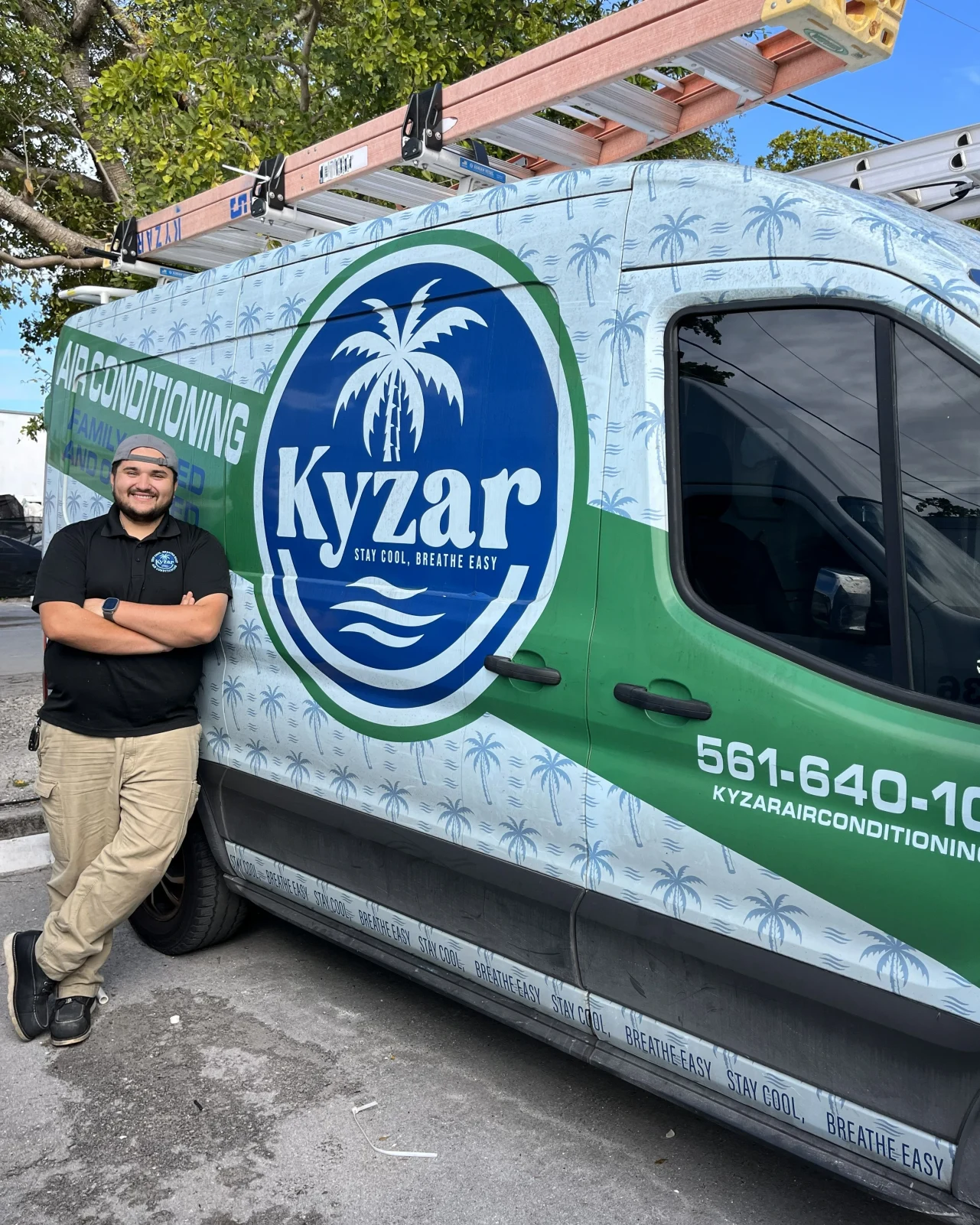
Paolo Weston is the owner of Kyzar Air Conditioning, committed to delivering reliable and efficient HVAC solutions for both homes and businesses. With years of experience in heating, cooling, and ventilation systems, he prioritizes quality workmanship, energy efficiency, and exceptional customer service. Paolo is dedicated to helping clients maintain comfortable, safe, and well-functioning indoor environments year-round.