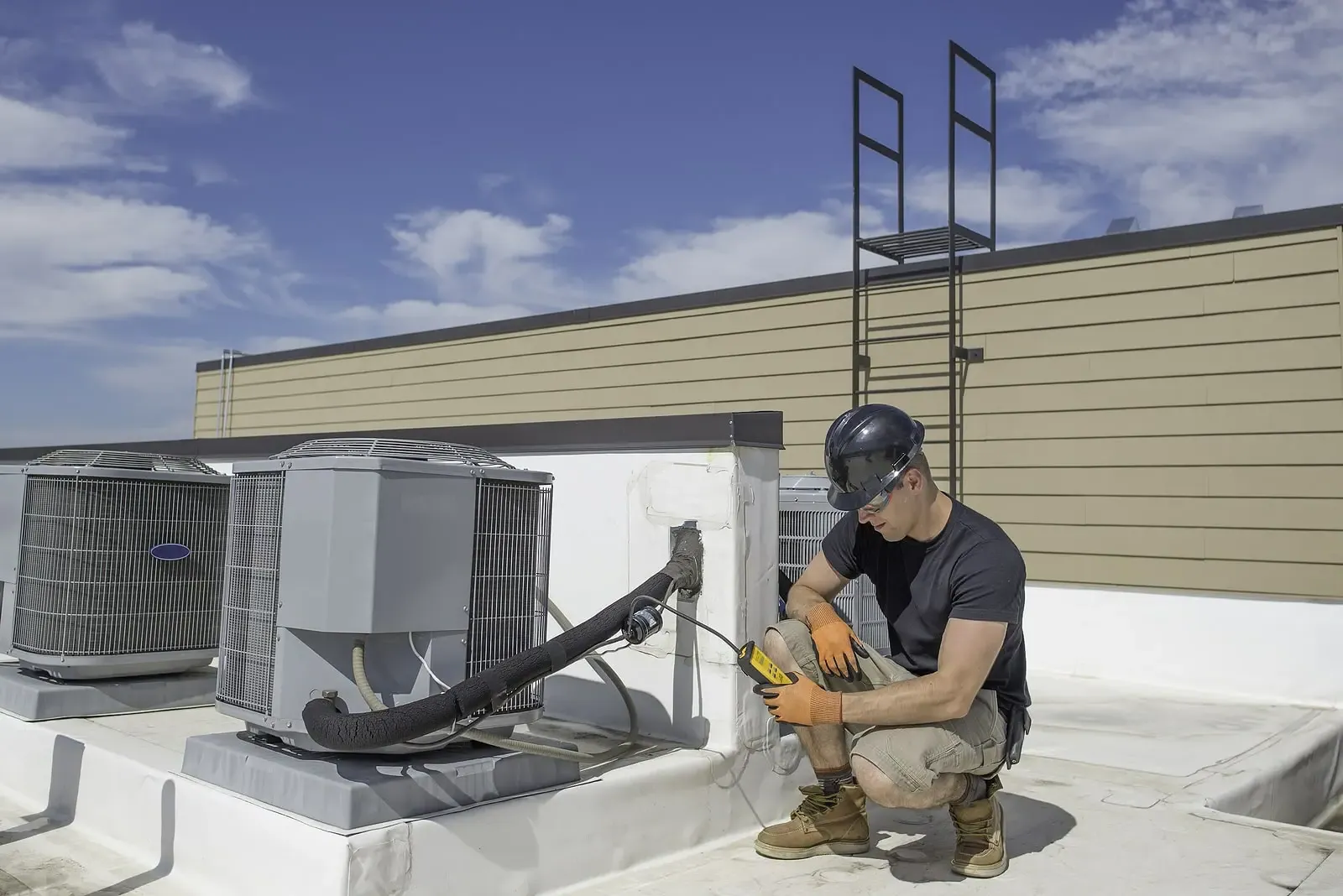
Running a commercial property in Port St Lucie comes with its share of challenges, and keeping the HVAC system operating efficiently is one of the most critical. Proper heating, ventilation, and air conditioning are essential not only for comfort but also for productivity, energy costs, and equipment longevity. When a system operates poorly, it affects employees, customers, and the bottom line.
Understanding the Demands on Commercial HVAC Systems
Commercial HVAC systems serve larger spaces and more complex layouts than residential units. Offices, retail spaces, warehouses, and medical facilities all have unique cooling and heating needs. Systems must balance airflow, temperature, and humidity while handling heavy daily usage.
In Port St Lucie, the climate adds extra stress. Hot summers and high humidity levels require HVAC systems to run more often. Extended operation increases wear and tear on components, which can reduce efficiency if maintenance is neglected. Moisture in the air also impacts system performance, especially for air conditioners and cooling coils, making routine care essential.
Regular Maintenance Prevents Major Problems
The single most important factor in keeping a commercial HVAC system efficient is consistent maintenance. Neglecting routine inspections and servicing is the quickest path to breakdowns, higher energy bills, and uneven cooling.
Maintenance includes checking key components like compressors, fans, belts, and electrical connections. Filters must be cleaned or replaced, and condensate drains should be inspected to prevent clogs. Ignoring small issues, such as a worn fan motor or dirty coils, can lead to larger failures that are more expensive to fix and take the system offline longer.
Proper Filter Management Improves Efficiency
Air filters are often the first element people overlook in commercial HVAC systems. A clogged filter reduces airflow, forcing the system to work harder to cool or heat the space. This not only wastes energy but also shortens the life of the system’s components.
In a Port St Lucie commercial building, filters should be checked monthly, especially during peak usage seasons. Using high-quality filters designed for commercial systems can improve indoor air quality while maintaining optimal airflow.
Maintaining Clean Ductwork
Ductwork is another area that affects system efficiency. Leaks, blockages, or accumulated dust in ducts prevent conditioned air from reaching its intended destination. This leads to uneven temperatures, increased energy consumption, and reduced comfort for occupants.
Routine duct inspections and cleaning can prevent these issues. Sealing any leaks and keeping ducts clear ensures that the HVAC system delivers air efficiently and consistently throughout the building.
Optimizing Thermostat Settings and Zoning
Many commercial properties rely on multiple thermostats or zoning systems. Properly configured thermostats allow different areas of the building to maintain the desired temperature without overworking the system.
Thermostats placed in direct sunlight, near heat-producing equipment, or in areas with high foot traffic may read inaccurately. Regular calibration and thoughtful placement improve system efficiency and prevent some zones from being over- or under-cooled.
Humidity Control Is Crucial in Florida
High humidity in Port St Lucie adds another challenge. When humidity levels are elevated, air conditioners have to remove both heat and moisture. This extra demand increases energy use and can stress the system.
Dehumidification strategies, such as properly sized equipment and the use of standalone dehumidifiers in critical areas, help maintain comfort and efficiency. Proper maintenance of drain pans, coils, and condensate lines also prevents moisture-related problems.
Energy-Efficient Upgrades Make a Difference
Over time, even well-maintained systems may benefit from upgrades. Installing energy-efficient components such as variable-speed fans, modern compressors, or programmable thermostats can reduce energy consumption while improving comfort.
Upgrades should be planned carefully to match the system’s capacity and the building’s needs. Consulting with a qualified HVAC professional ensures that changes are both cost-effective and compatible with existing equipment.
Monitoring Performance and Energy Usage
Modern commercial HVAC systems often include monitoring tools that track energy usage, temperature consistency, and equipment performance. Regularly reviewing this data allows building managers to identify inefficiencies, detect potential problems early, and plan preventative maintenance.
Monitoring systems can highlight trends such as rising energy use in one zone, uneven cooling, or abnormal cycling patterns. Addressing these issues promptly keeps the system running efficiently and prevents unexpected failures.
Professional Inspections Are Key
While building staff can handle routine filter changes and visual inspections, professional evaluations provide a deeper level of care. Technicians can assess refrigerant levels, inspect electrical connections, measure airflow, and check for hidden wear or damage.
Annual or biannual inspections are recommended for commercial properties in Port St Lucie. A licensed professional has the knowledge and tools to identify problems that may not be visible or noticeable until they become serious.
Avoiding Common Mistakes
Several common mistakes reduce HVAC efficiency in commercial buildings:
-
Delaying maintenance until problems appear
-
Ignoring airflow issues or blocked vents
-
Overcooling or overheating certain areas due to improper zoning
-
Failing to address humidity problems
-
Using outdated or worn components that no longer perform efficiently
Avoiding these mistakes helps the system maintain performance, extends its lifespan, and reduces long-term costs.
Maintaining Efficiency Reduces Operating Costs
Energy costs are a major concern for commercial properties. An inefficient HVAC system can significantly increase monthly utility bills. Routine maintenance, filter management, duct sealing, and component upgrades all contribute to reduced energy usage.
By keeping the system running efficiently, building managers not only provide a more comfortable environment but also lower operating costs. This is especially important in Florida, where air conditioning can account for a large portion of energy expenses.
Planning for Long-Term Reliability
Commercial HVAC systems represent a significant investment. Maintaining efficiency ensures that this investment provides consistent performance for years. Scheduled maintenance, monitoring, and timely upgrades prevent costly emergency repairs and system downtime.
A proactive approach allows property owners to plan budgets and avoid sudden disruptions, keeping tenants, employees, and customers comfortable year-round.
Conclusion
Keeping commercial HVAC systems running efficiently in Port St Lucie requires a combination of regular maintenance, careful monitoring, and attention to Florida’s specific climate challenges. Clean filters, well-maintained ductwork, proper thermostat placement, and humidity control all play a role in system performance.
Investing in professional inspections and energy-efficient upgrades ensures that commercial properties remain comfortable, reliable, and cost-effective. By addressing small issues early and maintaining a proactive approach, building managers and business owners can protect their HVAC systems, reduce energy costs, and provide a consistent environment for everyone in the space.