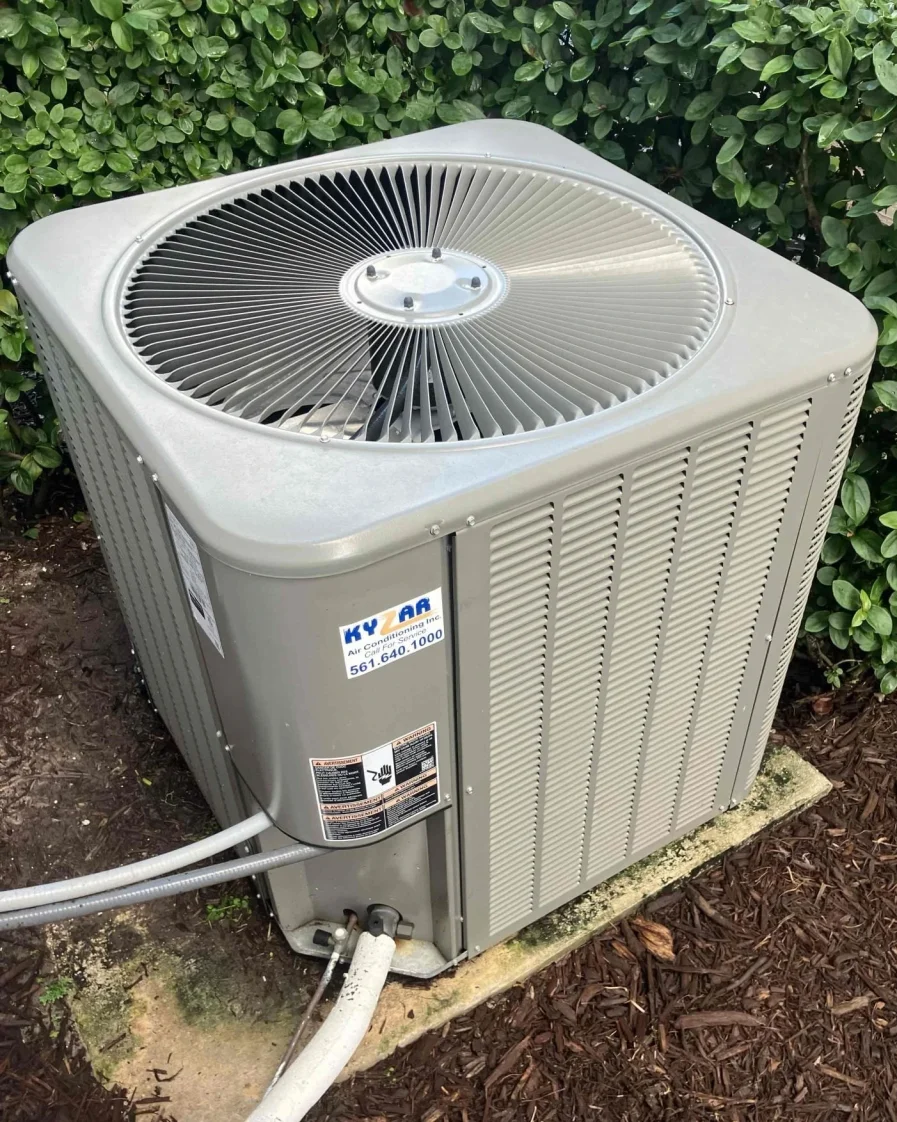
Airflow plays a critical role in comfort, indoor air quality, and HVAC system performance. In Port St. Lucie, where heat and humidity are part of daily life, poor air circulation can quickly make a home feel stuffy, unevenly cooled, and uncomfortable. Rooms that stay warm, weak airflow from vents, lingering odors, and high humidity levels are all signs that air is not moving properly through the home.
Improving airflow is not just about stronger air conditioning. It is about creating a balanced system where air can move freely, evenly, and efficiently. Good circulation reduces strain on HVAC equipment, improves temperature consistency, and supports healthier indoor air. For Florida homeowners, this is especially important because systems run most of the year and operate under heavy demand.
Why Proper Airflow Matters In Florida Homes
Airflow is how your HVAC system delivers comfort. Conditioned air must travel through ductwork, vents, and open spaces to reach every room. At the same time, stale air must return to the system through return vents so it can be filtered, cooled, and redistributed. When this cycle is disrupted, the system becomes inefficient and comfort suffers.
In South Florida, humidity makes poor airflow even more noticeable. When air movement is weak, moisture lingers in the air. This creates a heavy, damp feeling that makes rooms feel warmer than they are. Good circulation helps control humidity and improves how the home feels without constantly lowering the thermostat.
Balanced airflow also protects the HVAC system. Restricted air movement increases system pressure, forces components to work harder, and leads to faster wear. Over time, this results in higher energy bills, more repairs, and shorter equipment lifespan.
Common Causes Of Poor Air Circulation
Many airflow problems come from simple issues that build up over time. Dirty air filters are one of the most common causes. When filters are clogged, they restrict airflow at the system’s intake point, reducing circulation throughout the home.
Blocked vents and closed registers also disrupt air movement. Furniture, rugs, curtains, and décor can cover vents without homeowners realizing it. Even partial blockage reduces airflow to the room.
Leaky or poorly designed ductwork is another major factor. Gaps, disconnected ducts, or collapsed sections allow air to escape before reaching living spaces. Poor duct layout can also cause uneven distribution, where some rooms receive too much air while others receive very little.
Return air problems are often overlooked. Homes need adequate return vents for air to flow back to the system. When returns are blocked, undersized, or poorly placed, airflow becomes unbalanced.
High humidity, aging HVAC equipment, and improper system sizing also contribute to circulation issues. A system that is too large cycles too quickly, while a system that is too small struggles to move air effectively through the home.
Start With Basic Airflow Improvements
Some of the most effective airflow improvements are also the simplest. Replacing air filters regularly makes an immediate difference. In Florida’s climate, filters should often be changed every one to two months, depending on usage and indoor conditions.
Keeping vents open and unobstructed is essential. All rooms should have clear airflow paths. Even rooms that are not frequently used should have vents open to maintain balanced pressure throughout the home.
Interior doors also affect circulation. Closing too many doors restricts airflow paths, especially in homes with limited return vents. Keeping doors open or installing transfer grilles allows air to move freely between rooms.
Improve Duct Performance
Ductwork is the highway system of your HVAC system. If it is damaged, leaking, or poorly designed, airflow will always be limited. Professional duct inspections identify leaks, gaps, and airflow restrictions that are not visible to homeowners.
Sealing duct leaks improves airflow and energy efficiency at the same time. Insulated ducts also help maintain air temperature as it moves through the system, improving comfort and performance.
In some homes, duct redesign or balancing is necessary. This involves adjusting airflow distribution so each room receives the correct amount of conditioned air. Proper balancing improves temperature consistency and overall comfort.
Support Airflow With Smart Ventilation
Ventilation plays a role in circulation as well. Exhaust fans in bathrooms, kitchens, and laundry areas remove moisture and stale air that can interfere with airflow balance. When these spaces trap humidity, it affects air movement throughout the home.
Whole-home ventilation systems can also support airflow by introducing controlled fresh air and improving circulation patterns. This is especially beneficial in tightly sealed homes where natural airflow is limited.
Proper ventilation improves air quality and reduces moisture buildup, which supports more effective circulation and better overall comfort.
Use Fans To Improve Air Movement
Ceiling fans and circulating fans help move air through living spaces. While they do not replace HVAC systems, they improve comfort by distributing air more evenly.
In warm months, ceiling fans should rotate counterclockwise to push air downward. This creates airflow that improves comfort without changing thermostat settings. Fans help reduce hot and cold spots and support consistent circulation.
Strategic fan placement in hallways and open areas also improves airflow between rooms. This is especially helpful in larger homes where certain areas struggle with air movement.
Address Humidity As Part Of Airflow Improvement
High humidity interferes with airflow by making air feel heavy and stagnant. A well-functioning HVAC system should remove moisture, but in some homes, additional humidity control is needed.
Whole-home dehumidifiers improve airflow comfort by reducing moisture levels. When humidity is controlled, air moves more easily and feels cooler, even at higher temperatures.
Proper moisture control also protects the home from mold growth, material damage, and air quality issues that develop in damp environments.
Upgrade Aging HVAC Equipment
Older systems often struggle with airflow due to worn components, inefficient motors, and outdated design. Newer HVAC systems are built to move air more efficiently and maintain consistent circulation.
Variable-speed systems adjust airflow based on demand, providing better distribution and improved comfort. These systems run more consistently instead of cycling on and off, which improves circulation patterns throughout the home.
Upgrading equipment is not always necessary, but for homes with chronic airflow problems and aging systems, replacement can provide long-term improvements.
Professional Evaluation Makes A Difference
Every home in Port St. Lucie has different airflow challenges. Construction style, duct layout, insulation, room design, and system configuration all affect circulation. A professional HVAC assessment identifies specific problems and provides targeted solutions.
Professionals use airflow testing, pressure measurements, and duct inspections to diagnose circulation issues accurately. This avoids guesswork and prevents unnecessary upgrades that do not solve the root problem.
Local HVAC professionals understand the regional climate and building styles common in South Florida. Their experience helps homeowners make practical improvements that deliver real comfort gains.
Conclusion
Improving airflow is about more than comfort. It improves energy efficiency, protects HVAC equipment, supports indoor air quality, and creates a healthier home environment. Good circulation reduces humidity, prevents temperature imbalance, and allows your cooling system to operate more effectively. In Port St. Lucie homes, where cooling systems work nearly year-round, airflow is not optional. It is a foundational part of HVAC performance. Homes with proper circulation stay cooler, feel fresher, and experience fewer system problems over time.
By addressing airflow at every level, from daily habits to system upgrades, homeowners can create a more comfortable and efficient living space. Better airflow does not require drastic changes. It requires smart adjustments, routine maintenance, and professional guidance when needed. When air moves properly, comfort becomes consistent, energy use becomes more efficient, and your HVAC system performs the way it was designed to. That is the foundation of a healthy, comfortable home in South Florida.