Homes in Port St. Lucie face a unique set of challenges when it comes to heating and cooling. High humidity, long cooling seasons, salt in the air, and constant system use all put added strain on HVAC equipment. Unlike cooler regions where systems get long breaks between seasons, Florida HVAC systems often operate year-round. That constant demand makes maintenance more than just a good idea. It makes it essential.
For homeowners in coastal and near-coastal communities, proper HVAC care is not only about comfort. It directly affects energy costs, system lifespan, indoor air quality, and long-term repair expenses. Without consistent maintenance, small issues grow into expensive problems. Systems lose efficiency, humidity control weakens, and energy usage climbs steadily.
Why Florida Homes Need a Different Maintenance Approach
HVAC systems in Florida work harder than in most parts of the country. Long summers, mild winters, and high humidity mean cooling systems rarely get long rest periods. Salt air accelerates corrosion. Moisture promotes mold growth. Dust and pollen are present most of the year. This environment causes faster wear on coils, motors, electrical components, and drainage systems. Filters clog more quickly. Condensation lines block more often. Outdoor units face constant exposure to moisture and debris. Because of this, HVAC maintenance in Florida cannot be treated as occasional upkeep. It must be a regular routine. Systems that are neglected may still operate, but they become less efficient, less reliable, and more expensive to run.
Filter Maintenance That Actually Makes a Difference
Air filters are one of the simplest components, yet they have a major impact on system performance. Dirty filters restrict airflow. Restricted airflow forces the system to work harder. That increases energy use and places stress on the blower motor and compressor. In Florida homes, filters often need to be changed more frequently than in cooler climates. High pollen levels, constant system use, and indoor humidity all contribute to faster buildup. A clogged filter not only increases energy consumption but also reduces indoor air quality. Regular filter replacement improves airflow, stabilizes temperatures, and helps the system cycle properly. It is one of the easiest ways to protect efficiency and extend system life.
Outdoor Unit Care in Coastal Environments
Outdoor HVAC units are exposed to the harshest conditions. Salt air, rain, plant debris, dust, and insects all affect performance. Over time, coils accumulate buildup that blocks heat transfer. Corrosion weakens metal components. Airflow becomes restricted. Keeping the area around the outdoor unit clear is critical. Leaves, grass clippings, and plants should not block airflow. The unit should have open space on all sides to allow proper ventilation. Periodic rinsing of the outdoor unit helps remove salt residue and surface debris. This reduces corrosion risk and improves heat exchange. Clean coils allow the system to release heat more efficiently, which reduces energy use and mechanical strain.
Drain Line and Moisture Control Maintenance
Humidity management is a major function of HVAC systems in Florida. As air cools, moisture condenses and drains through the system’s condensate line. Over time, algae, mold, and debris can clog this line. A blocked drain line can cause water backups, leaks, and system shutdowns. It also creates moisture problems inside the home, leading to mold growth and poor air quality. Routine drain line maintenance prevents these issues. Keeping the line clear protects the system and the home. It also helps maintain proper humidity control, which directly affects comfort and energy use.
Thermostat Management and System Efficiency
Thermostats control more than temperature. They regulate run cycles, humidity control, and energy consumption patterns. Older thermostats often lack precision and efficiency controls. Modern programmable and smart thermostats allow for better system management. They reduce unnecessary run time. They adjust cooling based on occupancy. They help stabilize indoor conditions without constant manual adjustments. Even without upgrading equipment, proper thermostat use improves system performance. Avoiding extreme temperature swings reduces system strain. Consistent settings allow the HVAC system to operate more efficiently and predictably.
Ductwork Inspection and Airflow Balance
Duct systems often receive less attention than HVAC units, but they play a major role in system efficiency. Leaky ducts waste cooled air. Poorly sealed connections reduce airflow. Dirty ducts restrict circulation. Over time, duct systems in Florida homes may develop moisture issues, mold growth, or insulation breakdown. These problems reduce airflow efficiency and increase energy usage. Proper duct sealing and inspection improve air distribution. Balanced airflow reduces system workload and improves comfort. Efficient air delivery means the system does not need to run as long to cool the home.
Electrical Component and Connection Checks
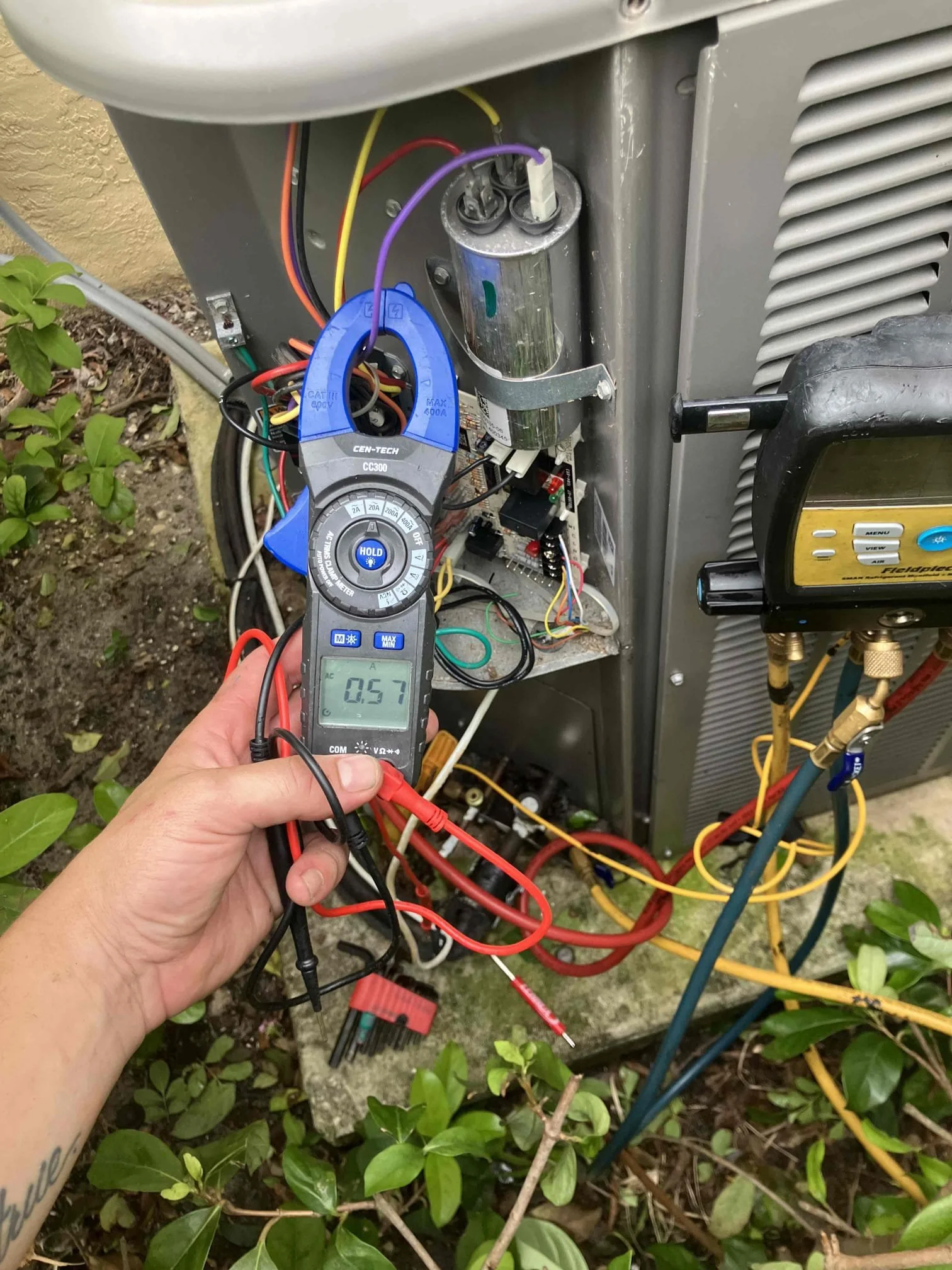
HVAC systems rely on electrical components that degrade over time. Connections loosen. Capacitors weaken. Wiring insulation breaks down. These issues reduce system efficiency and increase the risk of breakdowns. Electrical problems often develop slowly and go unnoticed until performance drops or failures occur. Routine inspections help identify early signs of wear before they become major repairs. Stable electrical performance supports consistent operation. It also protects sensitive components like compressors and control boards from damage caused by voltage fluctuations and poor connections.
Coil Cleaning and Heat Transfer Efficiency
Evaporator and condenser coils are essential to cooling performance. Dirty coils reduce heat transfer. Reduced heat transfer forces the system to work harder to achieve the same cooling effect. In humid environments, coils accumulate moisture, dust, and biological growth. This buildup insulates the coil surface, making cooling less efficient. Regular coil cleaning restores performance. Clean coils improve cooling output, reduce run times, and lower energy consumption. This single maintenance task has a direct impact on both comfort and cost control.
Seasonal Maintenance Planning
Florida does not follow traditional heating and cooling seasons, but systems still face seasonal stress cycles. Peak summer heat puts maximum load on HVAC systems. Milder months allow for lower demand but still require operation. Scheduling maintenance before peak summer ensures the system is prepared for high demand. This reduces breakdown risks during the hottest months when HVAC service demand is highest. Consistent seasonal inspections help identify problems early. They also prevent small issues from turning into emergency repairs.
Energy Efficiency Through Preventive Care
Preventive maintenance is not just about avoiding breakdowns. It is about controlling long-term energy costs. Efficient systems use less electricity. They cycle properly. They maintain consistent temperatures and humidity levels. Neglected systems waste energy even if they still function. They run longer. They cool unevenly. They struggle with moisture control. This inefficiency shows up in higher utility bills over time. Proper maintenance restores performance and protects efficiency. It reduces unnecessary energy consumption and stabilizes monthly costs.
The Role of Professional HVAC Maintenance
While homeowners can handle basic care tasks, professional maintenance plays a critical role in system longevity. Trained technicians can identify hidden issues that are not visible during routine home inspections. Professional servicing includes refrigerant checks, pressure testing, electrical diagnostics, airflow measurement, and system calibration. These tasks require specialized tools and training. Regular professional maintenance reduces the risk of major system failures. It also improves long-term reliability and performance consistency.
Long-Term Value of Routine HVAC Care
HVAC systems are major investments. Replacing a system is expensive. Extending its lifespan through proper care protects that investment. Routine maintenance delays replacement needs. It reduces repair frequency. It stabilizes energy usage. It improves comfort and air quality. Over time, these benefits create real financial value for homeowners. In Florida’s demanding climate, HVAC systems that are well maintained last longer and perform better. Neglected systems fail earlier and cost more to operate.
Why Maintenance Matters for Coastal Florida Homes
Homes in coastal regions face environmental stress that accelerates system wear. Moisture, salt, and heat create a harsh operating environment. HVAC systems must be protected through consistent care. Maintenance is not about perfection. It is about consistency. Small actions performed regularly create long-term system stability. For homeowners near West Palm Beach, HVAC systems are essential infrastructure, not optional equipment. They protect indoor comfort, air quality, and property value. Treating them as long-term assets rather than short-term appliances leads to better performance and lower costs.
Conclusion
Effective HVAC maintenance does not require complex schedules or technical knowledge. It requires awareness, consistency, and basic system care. Filter changes, outdoor unit cleaning, moisture control, airflow management, and professional inspections form the foundation of a reliable maintenance plan. When these habits become routine, systems operate more efficiently. Energy use decreases. Comfort improves. Unexpected failures become less common. In Florida homes, HVAC maintenance is not seasonal. It is continuous. Systems that receive consistent care perform better under constant demand. Over time, this approach protects homeowners from rising energy bills, costly repairs, and premature system replacement. It creates stable performance in a challenging climate. Smart HVAC maintenance is not about reacting to problems. It is about preventing them. For homes in Port St. Lucie and surrounding areas, this proactive approach is one of the most effective ways to protect comfort, control costs, and ensure long-term system reliability.