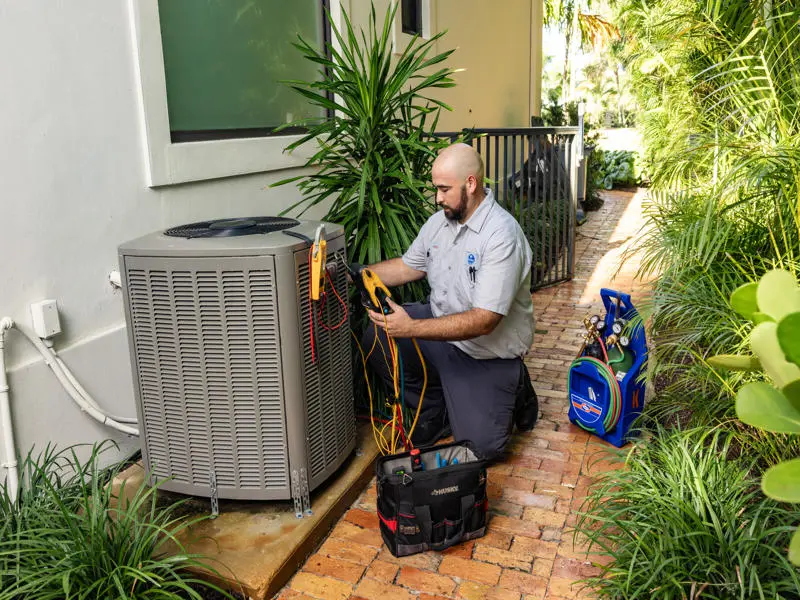
In Port St. Lucie, a reliable air conditioning system is not a luxury. It is a necessity. Temperatures remain high for much of the year, and humidity levels can make indoor spaces uncomfortable very quickly when cooling systems fail. Because air conditioners run frequently in Florida homes, small problems can appear from time to time. Many homeowners dismiss these issues as temporary or minor, especially if the system is still producing some cool air.
However, ignoring early warning signs can lead to more expensive repairs, higher energy costs, and even complete system failure. Addressing problems early often saves money and prevents the discomfort of a home without proper cooling during the hottest days of the year.
Understanding the signs that your AC system needs attention can help you respond quickly and keep your home comfortable.
Weak Airflow From Vents
One of the most common warning signs of a developing AC issue is weak airflow coming from your vents. If the air pressure feels lower than usual, your system may be struggling to circulate air throughout your home.
Several factors can cause this problem. A clogged air filter is often the simplest explanation. When filters become filled with dust and debris, they restrict airflow and force the system to work harder. In other cases, the problem may involve blocked ductwork, failing blower motors, or leaks within the duct system.
Weak airflow may seem like a minor inconvenience, but it can place significant strain on the entire unit. Over time, this strain can shorten the system’s lifespan and increase your monthly utility bills.
If airflow suddenly changes or certain rooms feel warmer than others, it is wise to schedule a professional inspection before the issue worsens.
Unusual Noises Coming From the Unit
Most air conditioners produce a low, consistent humming sound during operation. When new noises appear, they often signal mechanical problems that should not be ignored.
Homeowners sometimes notice rattling, banging, buzzing, or screeching sounds coming from either the indoor or outdoor unit. These noises may indicate loose components, worn bearings, debris inside the condenser, or problems with the fan motor.
A rattling sound, for example, might simply mean a screw or panel has come loose. If ignored, that small problem can allow components to shift out of alignment and cause larger mechanical failures.
Loud grinding or squealing sounds are more urgent. They often point to internal motor issues that can lead to complete system breakdown if not addressed promptly.
When an air conditioner begins making unfamiliar noises, turning the system off and calling a technician is the safest course of action.
Warm Air Instead of Cool Air
Another sign that your air conditioner needs attention is when warm air blows from the vents while the system is set to cooling mode. This issue can occur for several reasons.
A malfunctioning thermostat may send incorrect signals to the unit. Low refrigerant levels can also prevent the system from absorbing heat properly. In some cases, the compressor may be failing, which affects the entire cooling process.
Regardless of the cause, warm air should never be ignored in a Florida home. An AC system that cannot cool effectively will run longer cycles while delivering poor results. This increases electricity consumption and puts additional stress on key components.
A technician can quickly determine whether the issue involves refrigerant, electrical components, or mechanical parts.
Rising Energy Bills Without Explanation
Energy costs naturally fluctuate during the warmer months, especially when air conditioners run more often. However, a sudden or unexplained increase in electricity bills may indicate that your system is operating inefficiently.
When AC units develop mechanical issues, they often require more energy to achieve the same level of cooling. Dirty coils, restricted airflow, failing compressors, or refrigerant problems can all cause a drop in efficiency.
Homeowners sometimes overlook this warning sign because the system still appears to function normally. Yet the higher operating cost reflects a problem that should be addressed.
Regular maintenance and prompt repairs help keep systems running efficiently and prevent unnecessary energy expenses.
Frequent System Cycling
Air conditioners normally cycle on and off throughout the day as they maintain a set temperature. If the unit turns on and off far more frequently than usual, this behavior may signal an underlying issue.
Short cycling can result from several problems, including thermostat malfunctions, clogged filters, refrigerant imbalances, or oversized equipment. Electrical faults may also trigger rapid cycling.
Beyond affecting comfort, short cycling places additional wear on the system’s components. Each startup requires a surge of electricity, which increases energy use and can shorten the lifespan of motors and compressors.
When cycling patterns change noticeably, professional evaluation is recommended.
Excess Moisture or Water Leaks
Air conditioners naturally remove humidity from the air during operation. The moisture collected during this process typically drains through a condensate line.
If you notice water pooling around your indoor unit or near the air handler, the drain line may be clogged or damaged. In other situations, frozen evaporator coils may melt and produce excess moisture.
Ignoring water leaks can lead to structural damage, mold growth, or indoor air quality issues. Even small amounts of moisture can cause problems if they persist over time.
Addressing drainage or coil issues early protects both your cooling system and the surrounding areas of your home.
Unpleasant Odors When the System Runs
An air conditioner should never produce strong or unpleasant smells. When odors appear during operation, they often signal problems inside the system or ductwork.
A musty smell frequently indicates mold or mildew growth caused by moisture buildup. Electrical problems may produce a burning or metallic odor. In some cases, accumulated debris within the duct system may create stale or dusty smells when the unit runs.
These issues affect more than comfort. They can also impact indoor air quality and contribute to respiratory irritation for some occupants.
A professional inspection can identify the source of the odor and ensure the system is cleaned or repaired properly.
Uneven Cooling Throughout the Home
When one room feels comfortable while another remains warm, the air conditioning system may not be distributing air evenly. Uneven cooling can stem from several causes.
Blocked vents, duct leaks, insulation issues, or aging equipment may all contribute to inconsistent temperatures. Sometimes the thermostat location itself affects how the system responds to changing conditions.
Homeowners may try adjusting vent positions or thermostat settings, but these solutions do not always resolve the root problem. A technician can evaluate airflow patterns and duct performance to determine what adjustments or repairs are needed.
Consistent indoor temperatures are a sign that the system is operating correctly.
Why Early Repairs Matter
Many homeowners delay AC repairs because the system still runs or the issue seems minor. Unfortunately, small problems rarely resolve themselves. They tend to worsen as the system continues operating under stress.
A worn component can cause additional parts to fail. Reduced airflow may lead to frozen coils. Electrical faults can spread to other components within the system.
Prompt repairs often cost far less than waiting until the unit stops working entirely. Early service also reduces the risk of emergency breakdowns during peak summer heat.
Regular maintenance inspections provide another layer of protection by identifying developing issues before they escalate.
Conclusion
Air conditioning systems in Port St. Lucie homes work hard throughout the year. Recognizing early warning signs and responding quickly helps protect that investment while maintaining a comfortable indoor environment. Weak airflow, unusual noises, warm air, rising energy bills, moisture problems, and unpleasant odors are all signals that your system needs attention. Addressing these issues early prevents more extensive damage and helps your equipment operate efficiently. If your air conditioner begins showing any of these warning signs, scheduling a professional inspection is the best step forward. With timely service and routine maintenance, your cooling system can continue to provide reliable comfort through Florida’s long, hot seasons.

Paolo Weston is the owner of Kyzar Air Conditioning, committed to delivering reliable and efficient HVAC solutions for both homes and businesses. With years of experience in heating, cooling, and ventilation systems, he prioritizes quality workmanship, energy efficiency, and exceptional customer service. Paolo is dedicated to helping clients maintain comfortable, safe, and well-functioning indoor environments year-round.