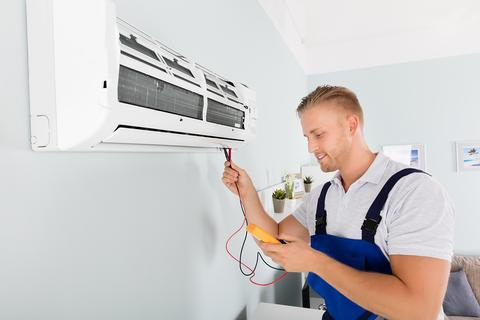
A reliable HVAC system is essential for maintaining comfort in Florida homes, especially in Port St Lucie where high temperatures and humidity are common. Homeowners often take their heating and cooling systems for granted until a problem arises. Identifying warning signs early can prevent minor issues from turning into costly repairs or system failures. Being aware of common indicators allows homeowners to take prompt action and maintain both comfort and efficiency year-round.
Unusual Noises Coming From the System
One of the first signs of HVAC trouble is unusual sounds. Rattling, banging, grinding, or squealing noises indicate that components may be loose, worn, or damaged. For example, a squealing sound often points to a worn belt or motor issue, while a rattling noise may be caused by loose panels or debris in the unit. Ignoring these sounds can result in further damage and increased repair costs. Homeowners should schedule a professional inspection whenever they notice unusual noises to address problems before they escalate.
Inconsistent Temperature and Poor Airflow
If some rooms in your home are noticeably warmer or cooler than others, your HVAC system may be struggling. Inconsistent temperatures can result from blocked ducts, malfunctioning dampers, or failing components. Poor airflow can also indicate a clogged air filter, failing blower motor, or issues with the ductwork. When the system cannot distribute air properly, it works harder to reach the desired temperature, increasing energy consumption and wear on the unit. Professional evaluation helps identify the cause and restore balanced airflow.
Rising Energy Bills Without Changes in Usage
A sudden spike in energy bills often signals that your HVAC system is losing efficiency. Components may be operating under strain, refrigerant levels may be low, or ductwork could be leaking. Older systems are particularly prone to efficiency loss, but even newer units can experience problems if maintenance is neglected. Monitoring energy consumption regularly allows homeowners to spot trends early. If bills rise without any change in household habits, it’s time to call an HVAC professional for assessment.
Frequent Cycling or Short Cycling
HVAC systems should operate in cycles, running long enough to reach the set temperature and then shutting off. Short cycling, or turning on and off too frequently, indicates a problem. This can be caused by an oversized unit, low refrigerant, a malfunctioning thermostat, or clogged air filters. Short cycling reduces efficiency, increases wear on the system, and can lead to premature failure of critical components. Addressing the issue quickly can prevent extensive damage and improve system performance.
Strange Odors From the Vents
Odors coming from the air vents are often a warning sign of an underlying issue. A musty smell may indicate mold or mildew in the ductwork or on the evaporator coil, while a burning odor could suggest electrical problems or overheating components. Unusual smells should never be ignored, as they can affect indoor air quality and potentially pose health risks. A licensed HVAC technician can inspect the system, identify the source of the odor, and recommend necessary repairs or cleaning.
Excessive Humidity or Dryness
HVAC systems play a significant role in controlling indoor humidity. If your home feels excessively humid or dry, the system may not be functioning correctly. High humidity can be caused by a malfunctioning air conditioner or blocked condensate line, while overly dry air may indicate problems with heating components. Maintaining proper humidity is essential for comfort and preventing issues such as mold growth or damage to furniture and flooring. Early detection allows for adjustments or repairs before the problem worsens.
Water Leaks or Pooling Near the Unit
Water accumulation around the indoor or outdoor unit is a serious warning sign. Leaks can result from clogged condensate drains, frozen coils, or damaged pans. Ignoring water issues can lead to mold growth, water damage, and corrosion of system components. Homeowners should inspect the area around the AC unit regularly and contact a professional immediately if water is present. Routine maintenance, including drain line cleaning, can prevent these problems from occurring.
Frequent Need for Repairs
If your HVAC system requires repeated repairs, it may be signaling that it is nearing the end of its useful life or that a significant underlying issue exists. While some repairs are normal over time, frequent service calls indicate a system under stress. At this point, homeowners should consider whether investing in ongoing repairs or upgrading to a newer, more efficient system is the better long-term option.
Thermostat Malfunctions or Inaccurate Readings
The thermostat is the system’s control center. If it fails to respond properly, displays inaccurate temperatures, or seems unresponsive, the HVAC system may not operate correctly. Thermostat problems can lead to short cycling, uneven heating or cooling, and increased energy consumption. Calibrating or replacing the thermostat often resolves these issues, but persistent problems should be evaluated by a professional.
Poor Indoor Air Quality
Dust accumulation, increased allergens, or noticeable mold odors are signs that the HVAC system may be failing to circulate and filter air properly. Dirty filters, blocked ducts, or malfunctioning components can compromise indoor air quality. Poor air circulation not only affects comfort but can also impact the health of household members, particularly those with allergies or respiratory conditions. Regular maintenance and timely repairs help maintain cleaner, healthier air.
Why Florida Homes Require Extra Attention
Port St Lucie’s climate places heavy demand on HVAC systems year-round. High temperatures and humidity mean that air conditioners operate continuously during the warmer months, while heaters are used seasonally. This constant use increases wear and makes it more likely for small problems to develop into major failures. Homeowners should prioritize inspections and preventive maintenance to avoid unexpected breakdowns and ensure consistent performance.
Steps to Address Warning Signs Early
Taking action at the first sign of trouble can save homeowners time, money, and discomfort. Key steps include:
- Scheduling a professional inspection as soon as a problem is noticed.
- Maintaining clean filters and coils.
- Monitoring energy usage and comparing it to past bills.
- Ensuring proper thermostat operation and calibration.
- Checking for water leaks or unusual odors regularly.
Preventive care reduces strain on the system, extends its lifespan, and maintains comfort and efficiency in your home.
The Role of Preventive Maintenance Plans
Many HVAC companies in Port St Lucie offer preventive maintenance plans that include seasonal inspections, cleaning, and priority service. These programs ensure the system is consistently checked for potential issues and can reduce the risk of unexpected breakdowns. For homeowners, enrolling in a maintenance plan provides peace of mind, knowing that their system is professionally monitored and maintained year-round.
Conclusion
HVAC systems in Florida homes are critical for comfort and quality of life. Recognizing warning signs such as unusual noises, inconsistent temperatures, rising energy bills, odors, or water leaks is the first step in preventing larger problems. Timely maintenance and professional inspection help address issues before they escalate, improving efficiency and extending the life of the system. Homeowners who stay vigilant and proactive are better equipped to enjoy reliable comfort throughout the year in Port St Lucie’s challenging climate.

Paolo Weston is the owner of Kyzar Air Conditioning, committed to delivering reliable and efficient HVAC solutions for both homes and businesses. With years of experience in heating, cooling, and ventilation systems, he prioritizes quality workmanship, energy efficiency, and exceptional customer service. Paolo is dedicated to helping clients maintain comfortable, safe, and well-functioning indoor environments year-round.